

When should you hire a social media partner?
The difference between posting and strategy — and how to know which you need
By Alissa Paolella | Springs Content Studio | 20+ years in marketing communications
You should consider hiring a social media partner when your current approach costs more time than it returns in results, when your content isn't connected to a clear business goal or when you can't answer the question: is our social media actually working? Presence on social media is not the same as strategy — and knowing the difference is the first step toward getting real results.
Almost every small business and nonprofit is on social media. According to data from Dreamgrow, approximately 96% of American small businesses use social media as of 2025. But according to research compiled by Gitnux, only 55% of small businesses have a documented social media strategy — and 56% struggle with consistent content creation.
That gap is where a lot of time, energy and money quietly disappears.
Being on social media and using it strategically are two different things. One keeps you busy. The other builds your business. This post is designed to help you figure out which side of that line you're on — and what to do about it.

Are you spending more time on social media than you can afford?
Social media takes more time than most small business owners expect — and less time than it actually needs if you want to see results.

According to 2026 data from Glow Social, most small businesses spend between 3 and 10 hours per week on social media marketing. Content creation alone accounts for 2 to 4 of those hours. Over the course of a month, that's the time equivalent of a part-time employee — spent on a single marketing channel, often without a clear return.
For a small business owner or nonprofit director who is already managing operations, finances, staff and customer relationships, that time has a real cost. Every hour spent writing captions and scheduling posts is an hour not spent on the work only you can do.
I've seen this play out with clients more than once. One small business came to me with an active social media presence — accounts on multiple platforms, a genuine desire to show up consistently — but no calendar, no plan and no clear sense of what the content was supposed to accomplish. Posts went up when there was time, went quiet when there wasn't. Followers noticed. So did the algorithm. After we built a simple content calendar tied to their actual business goals — promotions, seasonal services, community events — and committed to a realistic posting schedule on just two platforms, their engagement stabilized within the first month and they stopped dreading it. Consistency, it turns out, is more powerful than volume.
There's also a subtler problem. When social media feels like one more thing on the list, it rarely gets the attention it needs. Posts go up sporadically. Engagement goes unanswered. The account exists but doesn't grow. Starting and stopping social media is often worse than a consistent, modest presence — because inconsistency signals to both your audience and the algorithm that you're not committed.
If social media consistently falls to the bottom of your to-do list, that's not a motivation problem. It's a capacity problem — and it's exactly what a social media partner is designed to solve.
Are you posting without a strategy?
There is a meaningful difference between someone who can post for you and someone who can build and execute a strategy. Understanding that distinction before you hire anyone is one of the most important decisions you'll make for your marketing budget.
Entry-level social media help — a virtual assistant, a college student or a junior freelancer — can handle scheduling, basic caption writing and posting. That kind of support typically runs $25 to $50 per hour and can be useful if you already have a clear strategy in place and need execution help.
An experienced social media strategist — according to 2026 pricing data from Feedbird, typically ranging from $90 to $150 per hour for full-service management, with higher-end consultants and agencies ranging from $150 to $250 or more — brings something a job title can't teach: pattern recognition built from years of watching what works across industries, audiences and economic conditions. They know how to position a brand, not simply promote it. They can read a content calendar and tell you what's missing before the results tell you. They've managed the unexpected — a tone-deaf post, a comment section that needs careful navigation, a campaign that isn't landing — and they know how to course-correct without making it worse. That kind of judgment doesn't show up in a portfolio. It shows up when something goes sideways, or when a well-timed strategic shift changes the trajectory of a campaign entirely. Monthly retainers for small businesses generally range from $750 to $3,000 depending on scope, platforms and level of strategy involved.
The question isn't which option costs less. It's which one your business actually needs right now.
If you have a documented strategy — you know your audience, your platforms, your content mix and your goals — entry-level execution help may be the right fit. But if your content doesn't connect to a business goal, if you're posting whatever feels right in the moment or if your social media presence doesn't reflect the quality of your actual work, you don't need someone to post more. You need a strategy first.
Ask yourself: if a potential customer looked at your social media profiles right now, would they understand what you do, who you serve and why you're the right choice? If the answer is no or not clearly, that's the signal.
Are you measuring the right things?
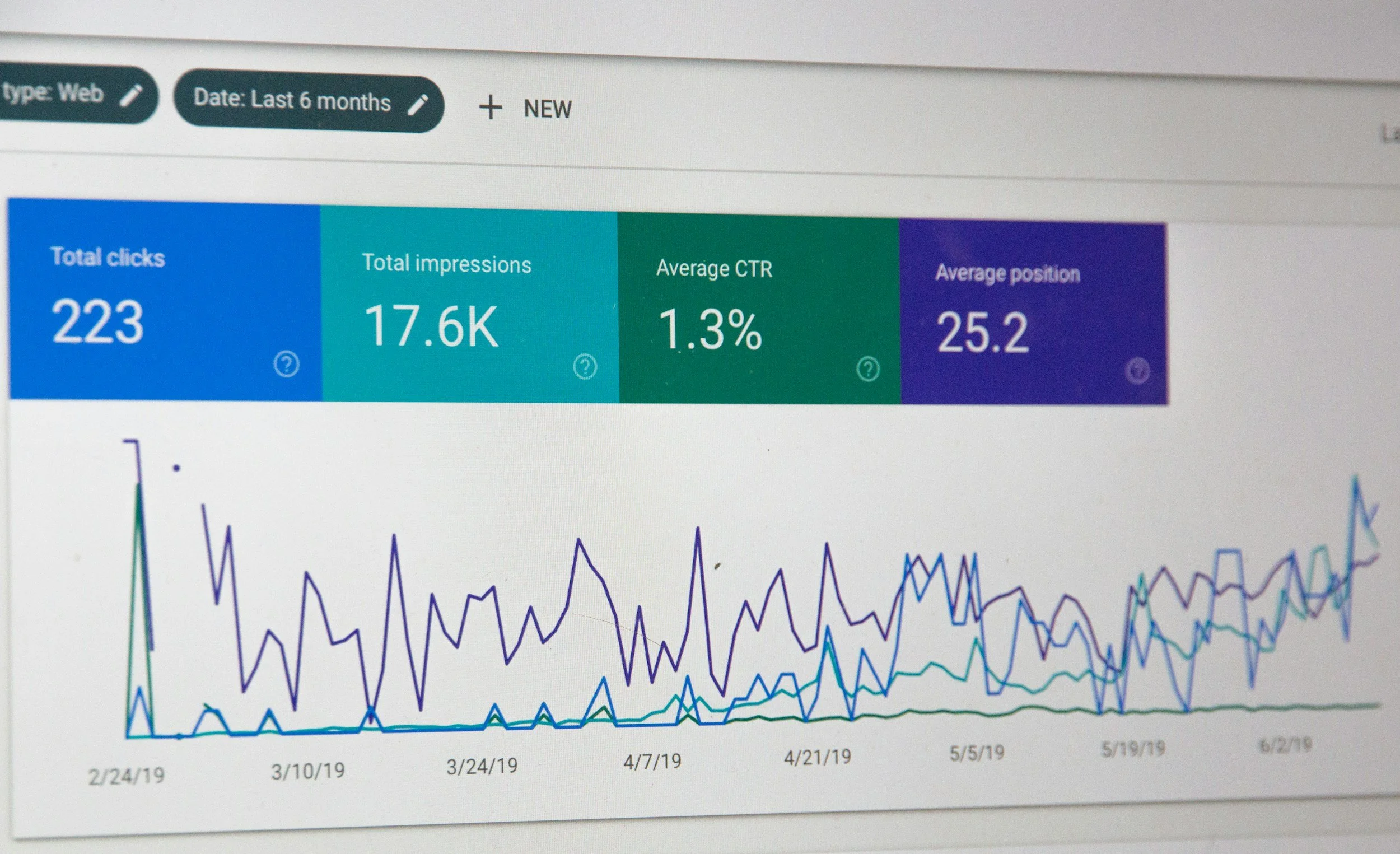
Most small businesses track the metrics that are easiest to see: likes, follows, reach. Those numbers feel like progress. Sometimes they are. Often they're not.
Vanity metrics — follower counts, impressions, likes — tell you how visible your content is. They don't tell you whether your social media is contributing to your business goals. The metrics that actually matter are the ones tied to outcomes: website traffic from social platforms, lead form submissions, consultation bookings, email list sign-ups, event registrations. For nonprofits, that might mean donor inquiries, volunteer applications or event attendance driven by social content.
According to research from Gitnux, algorithm changes negatively affect the organic reach of 62% of small businesses. If you're not tracking results beyond the surface level, you may be adjusting your content based on what gets likes rather than what drives action — and those are often very different things.
A strategic social media partner sets measurable goals at the start of an engagement, tracks the metrics that connect to those goals and adjusts the strategy based on what the data shows. That's the difference between a partner who reports what happened and one who tells you what it means and what to do next.
If you can't clearly answer the question "is our social media working?" — you need more than a content calendar. You need a partner who can help you define what "working" means for your business and build a plan to get there.
What to look for in a social media partner
Not all social media help is equal — and the difference between the right partner and the wrong one is often visible before you sign anything.
Here are a few questions worth asking before you hire:
Can you show me results from a similar business? A strong partner can point to specific outcomes — traffic growth, increased engagement, lead generation — from clients in a comparable industry or of a similar size. Be cautious of partners who lead with follower counts as their primary proof of success.
What does your strategy process look like? A good engagement starts with discovery — understanding your business goals, your audience and your current positioning — before any content is created. If a potential partner skips straight to deliverables, that's a red flag.
Who owns the content? You should own everything created for your brand. Confirm this upfront.
How do you report results? Look for a partner who ties reporting to your business goals, not just platform metrics. Monthly reporting should tell you what happened, why it matters and what's being adjusted.
What's included in the monthly rate? Get specifics: number of platforms, posts per week, whether community management is included, revision rounds and how strategy check-ins are handled. Vague scope leads to misaligned expectations on both sides.
The right social media partner isn't just a vendor — they're an extension of your marketing team. The relationship works best when there's clear communication, shared goals and a genuine understanding of your brand.
Ready to build a social media strategy that actually works?
Social media is one of the most powerful tools a small business or nonprofit has — but only when it's used with intention. If you're spending time you don't have, posting without a plan or struggling to measure what's working, it may be time to bring in a partner.
At Springs Content Studio, we work with small businesses and nonprofits to develop social media strategies that are grounded in your goals, consistent with your brand and built to drive real results. Whether you need a strategy session to get started or ongoing support to manage your presence, we can help.
Schedule a free consultation to talk through where you are and what a social media partnership could look like for your business.
FAQs
What is the difference between a social media manager and a social media strategist?
A social media manager typically handles execution: scheduling posts, writing captions, responding to comments and maintaining a consistent presence. A social media strategist takes a broader view — developing the overall content strategy, defining goals and key performance indicators (KPIs), researching your audience, selecting platforms and measuring performance against business outcomes. Many experienced professionals do both, but it's worth clarifying scope before you hire.
How much does social media management cost for a small business?
It depends on what you need. Entry-level freelancers handling basic posting typically charge $25 to $50 per hour. Experienced strategists offering full-service management generally range from $90 to $150 per hour, with monthly retainers for small businesses typically falling between $750 and $3,000 depending on platforms, content volume and strategy involvement. Higher-end agency support can run $3,000 or more per month. The right investment depends on your goals, your current strategy and how much of the work you're able to handle yourself.
Can I manage social media myself?
Yes — and many small business owners do, especially in the early stages. The key is having a clear strategy, a realistic content calendar and a system for tracking results. If social media consistently falls off your radar, takes more time than you have or isn't generating results, it may be worth bringing in outside help — even on a project basis to build the strategy, with execution handled in-house.
How do I know if my social media is working?
Start by defining what "working" means for your business. Are you trying to drive website traffic? Generate consultation requests? Build brand awareness in your local market? Once you have clear goals, track the metrics tied to those goals — not just likes and follower counts. Website traffic from social platforms, lead form submissions and booking inquiries are all stronger indicators of performance than reach or impressions alone.
What's the difference between organic and paid social media?
Organic social media refers to content you post without paying to promote it — your regular posts, stories and community engagement. Paid social media involves putting budget behind content to reach a wider or more targeted audience through ads. Most effective strategies use both: organic content builds trust and brand voice over time, while paid content amplifies reach and drives specific actions. A strategic partner can help you find the right balance for your goals and budget.
